
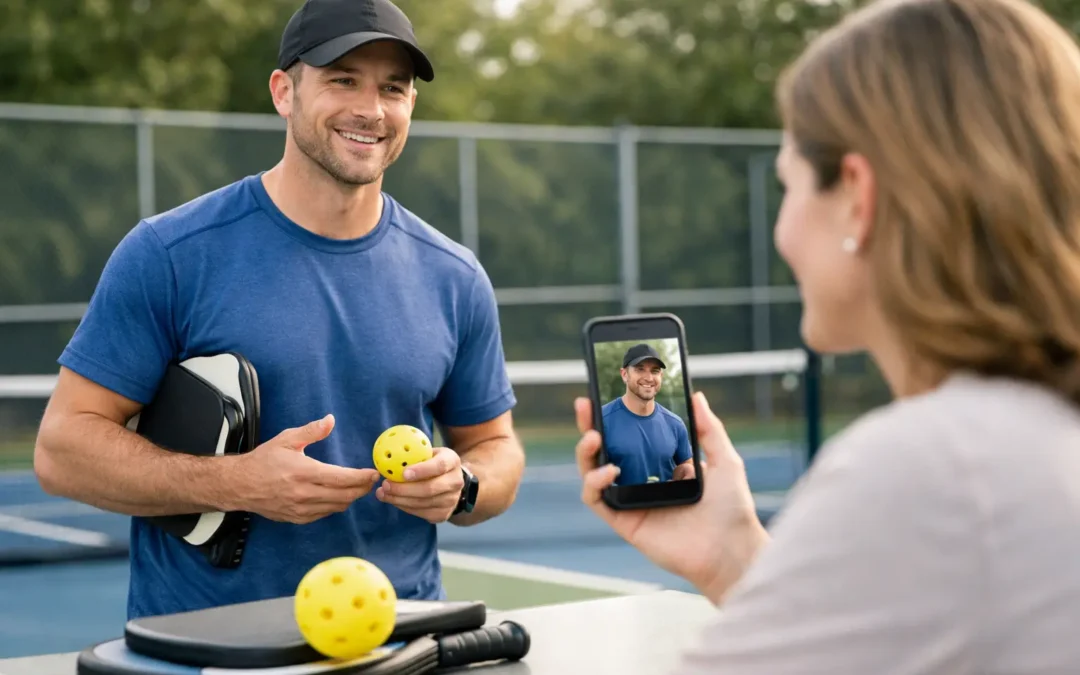
A great pickleball lesson can change the way you walk onto the court. Instead of guessing where to stand, rushing your third shot, or avoiding the kitchen line, you start playing with purpose. In The Hamptons and across Eastern Long Island, the best instruction also introduces you to a stronger local pickleball community – one built around better play, good energy, and professionally run experiences.
Knowing how to book pickleball instructors starts with more than finding an open time slot. You want a coach who understands your current level, can clearly identify what is holding you back, and can create a session that makes your next game more productive and more fun.
Start With the Outcome You Want From a Lesson
Before contacting an instructor, get specific about what you want to improve. “I want to get better” is a fair starting point, but it does not give a coach much to build on. A beginner may need help with scoring, court positioning, serve returns, and the basic rhythm of doubles. A 3.0 player may be ready to work on soft-game consistency, third-shot drops, and decision-making at the non-volley zone. More experienced recreational players often benefit most from drill-heavy sessions focused on speed-ups, resets, transition-zone defense, and partner communication.
Your goal affects the right lesson format, too. A private lesson gives you the most individual feedback and is often the fastest route to fixing a technical issue. Semi-private lessons work well for two players with similar goals, especially doubles partners who want to improve their movement and strategy together. Small-group clinics create a social, high-energy setting while still offering structured reps and coaching. For a larger group, a clinic, party, or corporate program can deliver a polished experience that balances instruction with play.
There is no single best format. It depends on whether you want personal attention, a regular training partner, a social outing, or a team-building activity.
How to Book Pickleball Instructors Who Match Your Level
Skill level should be one of the first things discussed when you book. The right instructor will welcome beginners without making them feel behind, but will also be able to challenge stronger players with specific, relevant training. A mixed-level group is possible, though it requires thoughtful organization. If one player is learning scoring while another is working on advanced transition resets, neither player gets the most from a standard lesson.
Be honest about your experience. Share how long you have played, whether you have taken lessons before, what situations feel difficult, and what type of games you usually play. If you know your approximate rating, include it, but do not worry if you do not. A quality instructor can assess your game quickly through movement, shot selection, consistency, and court awareness.
Credentials matter because pickleball instruction is not simply feeding balls across a net. Certified professionals have studied teaching methods, technique, game development, safety, and how to communicate adjustments to different kinds of learners. Look for instructors with recognized credentials such as IPTPA or PPR certification, along with real experience teaching a wide range of players. Certification establishes a foundation. Repetition, local knowledge, and time spent coaching actual players are what bring that foundation to life.
At Around The Post Pickleball, certified instruction is backed by experience teaching more than 3,500 players, from first-time participants to 4.0-level competitors. That range matters when you are looking for a coach who can meet you where you are and give you a clear next step.
Ask the Questions That Reveal Coaching Quality
A booking conversation should feel organized, not vague. You do not need to conduct an interview, but a few direct questions will tell you whether an instructor is prepared to deliver a worthwhile experience.
Ask how the coach structures a lesson for your level and whether the session includes explanation, demonstrations, drills, and live-play application. Technique matters, but players need to understand when to use a shot under pressure. If you are booking for a group, ask how participants will be divided and whether the coach can accommodate different ability levels.
It is also smart to ask what you should bring, whether balls and paddles are provided, and what happens if weather affects an outdoor session. On Eastern Long Island, court availability and seasonal schedules can move quickly. Clear communication about location, cancellation expectations, and backup plans makes the experience easier for everyone.
For private events, go beyond the lesson itself. Ask whether the provider can coordinate courts, equipment, instructors, formats, music, refreshments, or tournament-style play. A birthday party, family gathering, or company event should not feel like a collection of loose details. It should feel planned from the first welcome through the final point.
Choose Local Experience, Not Just a Nearby Court
A pickleball instructor can be excellent and still be the wrong fit if they do not understand the area where you play. Local expertise is especially valuable in seasonal communities like The Hamptons, where demand rises quickly, court access can be limited, and groups often include a wide range of experience levels.
An established regional provider knows how to match instruction to available courts, create a realistic schedule, and build programs that work for year-round residents and summer visitors. They also know the local playing culture. That can make a real difference if your goal is not only to improve your game, but also to find clinics, boot camps, leagues, tournaments, and reliable people to play with after your lesson ends.
Social proof is useful here. Look for a track record of well-attended clinics, repeat clients, successful tournaments, and professionally managed events. A coach with a strong reputation has likely earned it through preparation, communication, and consistent results, not just a polished profile.
Book Early for Groups, Events, and Peak Season
Private lessons can sometimes be scheduled with relatively short notice, but group instruction and events need more lead time. If you are planning a summer weekend in the Hamptons, a corporate outing, or a private celebration, book as early as practical. The best dates, courts, and instructors are often claimed first.
When you submit an inquiry, include the details that help a provider respond accurately: your preferred date and time, location, number of players, estimated skill levels, ages if relevant, and the kind of experience you want. State whether your priority is serious skill development, relaxed social play, or a combination of both.
For groups of four or more, share whether everyone has played before. That one detail can shape the entire program. A beginner-friendly event may need a quick orientation, paddle and ball guidance, scoring instruction, and rotation formats that keep people involved. A more experienced group may prefer competitive games, team challenges, targeted coaching, and a compact tournament draw.
Make the First Lesson Count
Show up a few minutes early in comfortable court shoes, with water and an open mindset. If you own a paddle, bring it, but do not assume you need expensive equipment before your first session. A good instructor can help you understand what paddle shape, weight, grip size, and feel may suit your style as your game develops.
During the lesson, ask for one or two priorities to practice between sessions. Trying to rebuild every part of your game at once rarely works. You may leave with a stronger ready position, a more reliable serve return, or a simple rule for when to stay patient at the kitchen line. Those small improvements compound when you repeat them in real games.
Afterward, consider whether the lesson gave you clarity. Did the coach explain the “why” behind the adjustment? Did you receive enough reps? Did the instruction feel challenging without becoming overwhelming? The right coach does more than point out mistakes. They help you recognize patterns and build confidence in your choices.
The best time to book is before frustration becomes your regular playing partner. A focused lesson, the right group, and a coach who knows how to develop players can turn your next court session into the start of a much better game.