
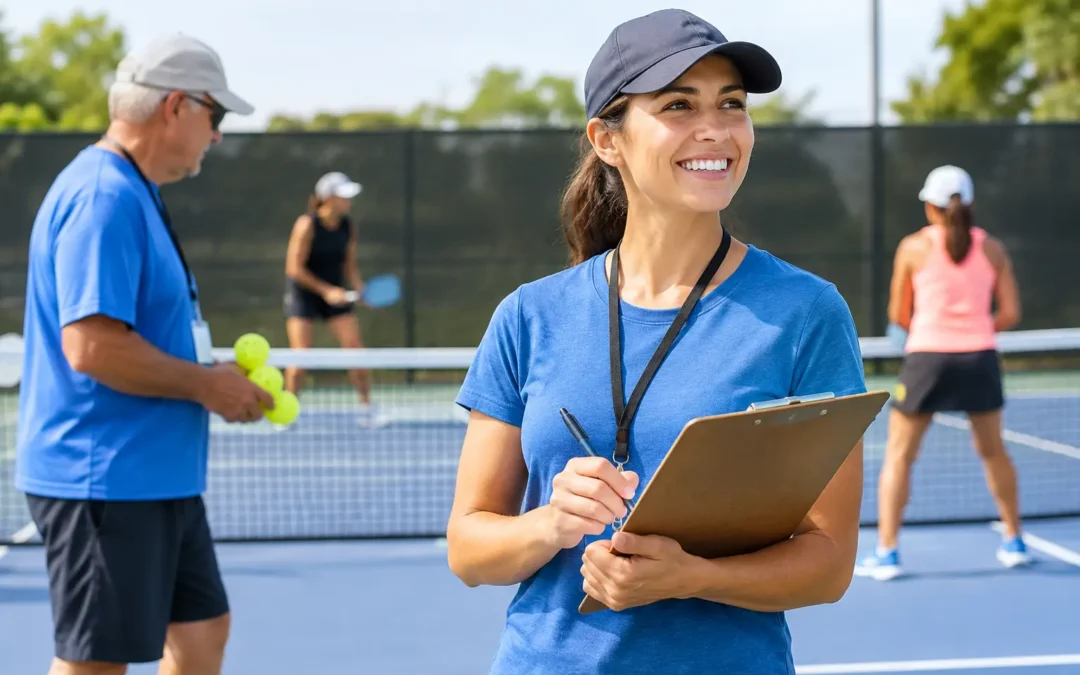
A tournament can have full brackets, great courts, and excited players, then still feel disorganized within the first 20 minutes. The difference is usually the people working the details. Essential pickleball tournament volunteer roles keep check-in orderly, matches on time, scores accurate, and players focused on competing instead of hunting for answers.
For tournaments across The Hamptons, Eastern Long Island, and the Northeast, volunteers are not an afterthought. They are part of the player experience. A friendly greeting at registration, a clear answer when a court changes, or a quick response to a scoring question can shape how players remember the entire day.
The goal is not to put one person in charge of everything. It is to build a volunteer team with defined responsibilities, short lines of communication, and enough coverage to handle the inevitable surprises that come with live competition.
The essential pickleball tournament volunteer roles
1. Registration and check-in volunteers
Registration is the tournament’s first live touchpoint with every player. These volunteers confirm names, distribute event materials, direct players to warm-up areas, and flag missing waivers or last-minute questions for the tournament director.
The best check-in team is calm, welcoming, and comfortable using a roster. They do not need to solve every issue themselves. Their job is to identify the issue, give the player a clear next step, and keep the line moving. At a busy morning check-in, one uncertain answer can create a backup fast.
For a smaller event, two organized volunteers may be enough. For a larger tournament with multiple divisions starting at once, plan for a dedicated check-in lead plus several assistants. A separate express line for players who have already completed every requirement can also prevent unnecessary congestion.
2. Court marshals and match flow volunteers
Court marshals keep the event moving. They announce or display upcoming matches, direct teams to the correct courts, confirm that players are present, and notify the operations lead when a match is delayed.
This role calls for a person who is observant and politely persistent. Players may be talking with friends, warming up on a far court, or taking a quick break between matches. A marshal should be able to find them, communicate the next assignment clearly, and keep the tone positive even when the schedule is tight.
At events with several courts, assign marshals by court zone rather than asking one volunteer to watch the entire facility. That approach gives players a familiar point person and helps the tournament staff spot bottlenecks before they become major delays.
3. Scorekeepers and referee support
Not every recreational tournament needs a referee on every court. Many pickleball events rely on players to call their own lines and manage scoring. Still, scorekeepers and referee-support volunteers are invaluable when there are close matches, championship rounds, newer competitors, or a format that requires official score reporting.
These volunteers should understand the event rules, scoring format, timeout policy, and how to escalate a dispute. They are not there to create tension or argue with players. They are there to protect consistency and help competitors return their attention to the game.
Experience matters here. A volunteer who plays regularly or has completed basic officiating education is a strong fit. If experienced help is limited, use knowledgeable volunteers on medal rounds and place clear scoring instructions at every court for earlier rounds.
4. Results runners and bracket desk support
A result entered late can slow an entire draw. Results runners collect scorecards or confirm final scores, bring them to the bracket desk, and check that the information is complete before it is posted.
This sounds simple, but it requires precision. A runner needs to verify the division, team names, score, and court number. One transposed score can affect seeding, cause confusion for the next match, and take valuable time to correct.
In a digitally managed tournament, the role may involve updating a scoring platform under the supervision of the bracket manager. In a smaller event, it may mean moving physical scorecards quickly and neatly. Either way, results volunteers are a direct defense against long wait times and frustrated players.
5. Player services volunteers
Player services is the role that makes a tournament feel professionally hosted rather than merely scheduled. These volunteers answer common questions about parking, restrooms, food, warm-up areas, match timing, spectator spaces, and where to find the tournament director.
They also provide a human response when a player is nervous, lost, or dealing with a minor problem. A player may need ice, a replacement wristband, help locating a partner, or clarification on a weather delay. The player services team does not need to have every answer, but it should know who does.
For social and community-focused events, this role is especially valuable. Pickleball brings together longtime competitors, first-time tournament players, seasonal residents, and visiting friends. Clear, warm communication helps every group feel included without slowing down the serious business of competition.
6. Hospitality and player experience volunteers
Hospitality volunteers manage the details that keep people comfortable through a long day: water stations, snacks, player gifts, seating areas, and cleanup around shared spaces. In warm weather, they also help the event team monitor hydration and remind players to take care of themselves between matches.
This role is not just about refreshments. It supports the atmosphere of the event. A well-stocked water station and a clean player area send a message that the organizer respects participants’ time and effort.
The exact staffing level depends on the venue and event schedule. A compact indoor tournament may need one hospitality volunteer. An all-day outdoor event with spectators, vendors, and multiple courts needs a larger team with clearly assigned replenishment and cleanup windows.
7. Setup and breakdown crew
The work begins before the first serve. Setup volunteers help place signage, organize check-in tables, prepare courts, position seating, fill water stations, and make sure supplies are where they belong. At the end of the day, they help restore the venue, collect equipment, and ensure no scorecards, personal items, or event materials are left behind.
This is a physical role, but it is also an organizational one. The crew should work from a site plan so that players can immediately understand where to check in, warm up, wait, and compete. Good signage reduces the number of questions every other volunteer has to answer.
A dependable setup crew is particularly important at temporary venues or facilities hosting a large tournament for the first time. Court operations feel much easier when the environment is ready before players arrive.
How to build a volunteer team that works
The strongest volunteer programs recruit for fit, not just availability. A confident greeter may thrive at registration but feel uncomfortable handling a scoring dispute. A detail-oriented player may be excellent at the bracket desk but prefer not to spend the day answering general questions. Ask volunteers what type of work they enjoy, then place them accordingly.
Training should be short, practical, and specific to the event. Before the first match, every volunteer should know the tournament schedule, chain of command, venue map, emergency procedures, key rules, and how to contact the operations lead. A one-page role sheet is often more useful than a long orientation presentation.
Give volunteers a visible identifier, a reliable communication method, and a realistic shift length. Four to five hours may work for an active court-side role, while setup and breakdown volunteers may prefer a shorter, clearly defined assignment. Build in breaks, especially for outdoor events in summer conditions.
Recognition matters, too. Volunteers are giving their time because they care about the sport, the local community, the players, or all three. Thank them personally, feed them well, and let them know what their effort made possible. A reliable volunteer team becomes much easier to rebuild when people leave feeling valued.
Put volunteers where players feel the difference
At Around The Post Pickleball events, the standard is not simply getting through the schedule. It is creating a tournament environment where beginners feel supported, competitive players trust the process, and every participant sees the care behind the operation.
A volunteer team does not need to be huge to be effective. It needs defined roles, smart coverage, and leaders who understand that small moments carry real weight. When the courts are ready, scores are clear, and players know where to go, the event gains the energy every tournament organizer wants: more great pickleball, less confusion, and a community eager to come back.