
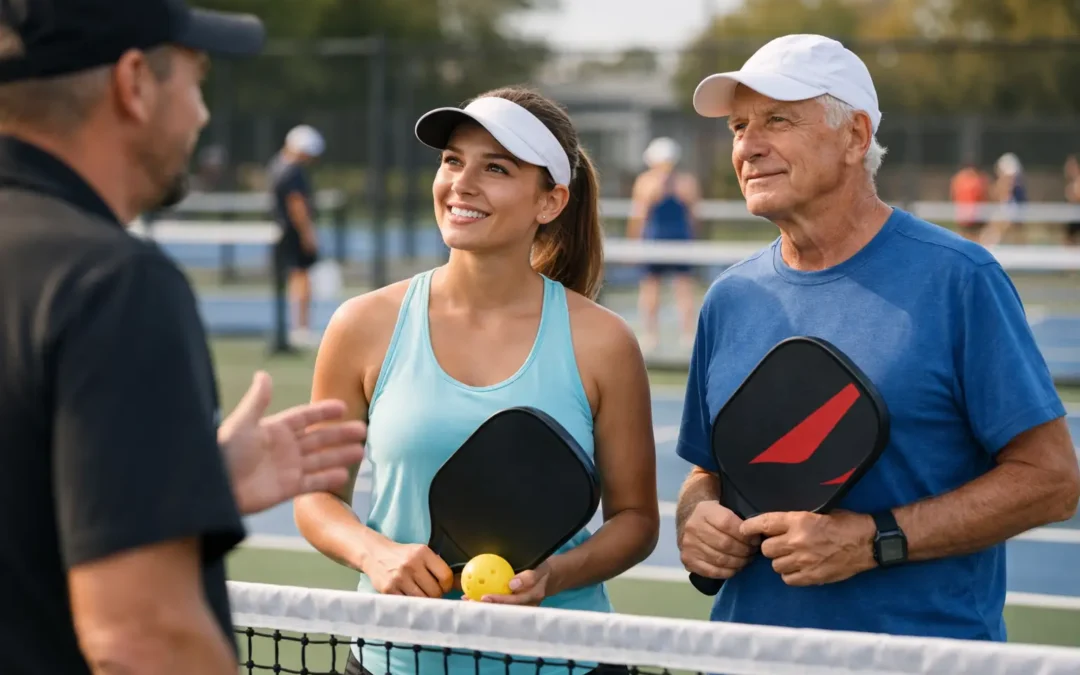
A tournament check-in can feel intimidating when you are still learning where to stand on a serve return or when to call the score. But can beginners join pickleball tournaments? Absolutely. The right first event can be one of the fastest ways to build confidence, meet local players, and give your practice a clear purpose.
The key is not to wait until you feel perfect. It is to choose an event that matches your current level, understand the basic format, and arrive prepared to compete with a good attitude. Pickleball tournaments are not reserved for polished 4.0 players. Well-run events create space for recreational players, first-time competitors, and people who simply want a more organized way to play.
Can Beginners Join Pickleball Tournaments Successfully?
Yes, provided you enter the appropriate division. Most tournaments group players by skill rating, age, or both. A beginner-friendly division may be labeled 2.5, 3.0, novice, recreational, or sometimes open beginner. The wording varies by organizer, so read the registration details rather than assuming every low-numbered bracket has the same standard.
A true beginner does not need a highlight-reel third-shot drop to participate. You should, however, be able to serve, keep score, understand the two-bounce rule, and sustain a few shots in a rally. If those fundamentals are still brand new, a clinic, round robin, or social tournament may be a better first competitive setting than a large, high-stakes bracket.
There is a practical trade-off. Entering too low can leave you playing opponents who are less experienced, but it can also feel unfair and limit your growth. Entering too high may put you against faster, more consistent teams and make the day frustrating. The best division is usually the one where you will be challenged, win some points, and learn from every game.
Start With the Right Kind of Event
Not all tournaments feel the same. A local one-day event with a recreational division is generally a more comfortable starting point than a major regional tournament with deep brackets and experienced traveling teams. Events that emphasize community, clear scheduling, and organized operations tend to give new competitors a better first impression of tournament play.
Round robins are particularly useful for beginners. Instead of being eliminated after one loss, you play several games against different teams. That means more touches, more chances to settle your nerves, and more value from the registration fee. Pool play followed by a playoff round can offer a similar experience.
Look for an event that clearly explains its format, skill divisions, partner requirements, check-in process, and weather policy. Those details may sound administrative, but they are signs of a professional operation. When organizers communicate well, first-time players can focus on playing rather than trying to figure out where they need to be.
Around The Post Pickleball has taught more than 3,500 players and produced sold-out Northeast events, and that experience reinforces a simple point: beginners thrive when events combine structure with a welcoming atmosphere. Competition should feel exciting, not like a private club you have not earned the right to enter.
Choose a Partner Who Makes the Day Better
For doubles, your partner can shape your entire tournament experience. A beginner does not need to pair with the strongest player at open play. In fact, a partner with compatible skills, steady communication, and a calm temperament is usually the smarter choice.
Before registering, have an honest conversation about expectations. Are you both there to chase a medal, get match experience, or enjoy a social day on the courts? None of those goals is wrong, but mismatched expectations can create tension after a few missed shots.
Practice together at least once or twice before the event. Work through who takes middle balls, how you will handle lobs, and where each player will return serve. You do not need a complicated strategy. A simple plan to get returns deep, move to the non-volley zone as a team, and keep the ball in play will beat a surprising amount of beginner-level chaos.
What Beginners Should Know Before Tournament Day
Tournament pickleball moves faster than casual open play. Games often start on schedule, warm-up time is limited, and opponents may be more focused than the players you meet during a social rec session. That does not mean the atmosphere has to be tense. It just means preparation matters.
Review scoring before you arrive. In standard doubles play, call the serving team’s score first, then the receiving team’s score, then the server number. If you make a scoring error, pause respectfully and sort it out with your opponents. Most beginner disputes are honest mistakes, and clear, calm communication solves them quickly.
You also need to know basic line-call etiquette. Make calls on your side of the court, call a ball out promptly if you see it out, and give opponents the benefit of the doubt when you are unsure. A close ball is not worth turning a fun event into an argument. Good sportsmanship is remembered long after a bracket result.
Bring more water than you think you need, a small snack, sunscreen, a hat if you use one, and an extra paddle if possible. Outdoor tournaments in the Hamptons and across Eastern Long Island can involve wind, heat, changing light, and delays between matches. Dress in layers, wear court shoes with reliable traction, and arrive early enough to check in without rushing.
A Simple First-Tournament Game Plan
Beginners often make the same mistake: they see a tournament as a test of whether they belong. It is better to see it as a learning environment with a score attached. You are there to compete, but you are also gathering information about what to improve next.
Keep your first strategy simple. Get your serves in. Return deep whenever possible. Avoid trying to hit every ball hard. Move forward with your partner after the return, and aim toward the middle when you are under pressure. The middle gives you more margin over the net and can create hesitation between opponents.
When nerves show up, slow down between points. Take a breath, confirm the score, and reset your feet. One missed shot does not require a harder swing on the next ball. Consistency is a competitive skill, especially in novice and recreational divisions.
If you lose a game badly, resist the urge to judge your whole day by that result. Stronger teams exist at every level, and one uneven matchup can teach you plenty. Notice whether you struggled with returns, kitchen positioning, communication, or simply nerves. That gives your next lesson or practice session a real focus.
How Much Experience Is Enough?
There is no universal number of games or months that qualifies someone for a beginner tournament. A player who has taken a few lessons and regularly plays organized recreational games may be ready after several weeks. Another player may prefer a few months of practice before competing. It depends on comfort with the rules, physical readiness, and the format of the event.
A useful readiness check is this: Can you play a full game without needing someone to explain the score every rally? Can you serve legally and return with reasonable control? Can you handle a close call without getting flustered? If yes, you are likely ready for an entry-level division.
Certified instruction can shorten the learning curve because it replaces guesswork with clear habits. A qualified coach can assess your current level, clean up the fundamentals that matter most in tournament play, and help you choose a realistic division. That is especially valuable for players who have learned informally and are unsure how their game compares with local competition.
Common Questions From First-Time Tournament Players
Will everyone be much better than me?
Not if you choose carefully. Some divisions will be more competitive than advertised, especially in popular regional events, but beginner and 2.5-level brackets often include players with the same questions and nerves you have. Focus on entering honestly, not on predicting every opponent.
What if I do not have an official rating?
Many local tournaments allow self-rating. Be accurate about your skills and recent playing experience. If you are uncertain, ask a coach or event organizer for guidance before registering. An honest self-rating helps create more enjoyable matches for everyone.
Do I need to win to make it worthwhile?
No. A successful first tournament might mean keeping score confidently, communicating well with your partner, playing through nerves, or identifying the two skills that deserve attention next. Wins are great. Progress is what keeps players coming back.
Your first tournament does not need to be your best day on the court. Show up prepared, enter the right division, compete with energy, and treat every point as useful experience. The next time you hear registration is open, you may find that the question is no longer whether you belong – it is who you want beside you on the court.