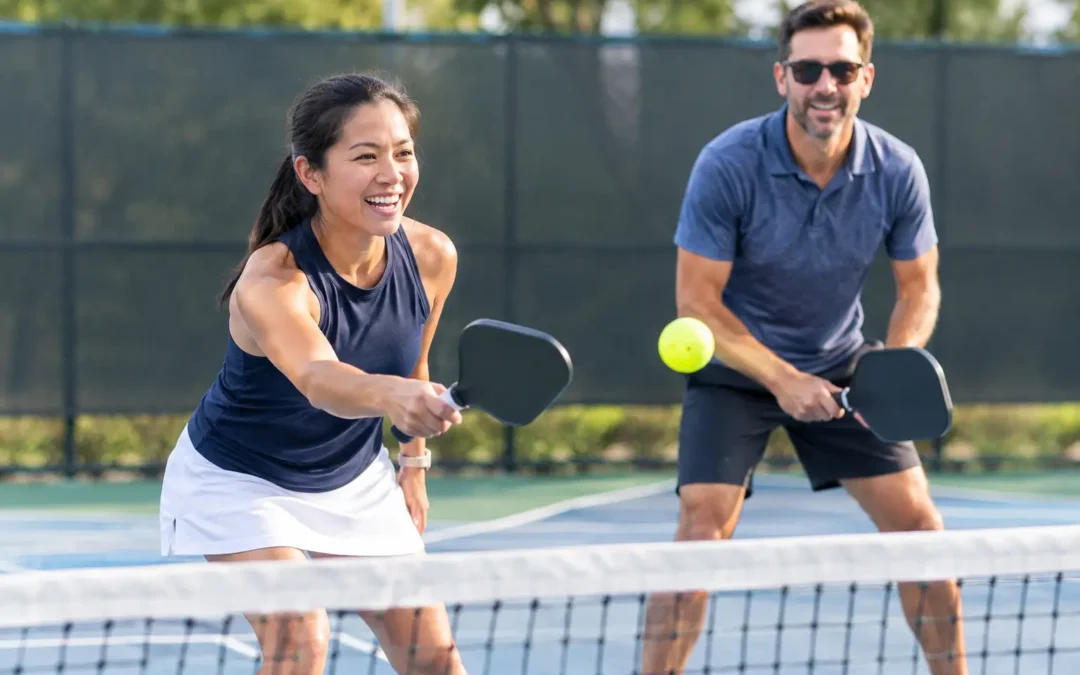
A corporate event can lose momentum fast when half the room is watching and the other half is waiting for something to do. Pickleball changes that dynamic. When you create corporate pickleball experiences with a clear plan, employees, clients, and leadership teams get moving, laughing, competing, and connecting without needing to be athletes.
That accessibility is the point. Pickleball has enough strategy to engage competitive players, enough social energy to bring people together, and a gentle learning curve that lets first-timers participate confidently. For organizations across The Hamptons, Eastern Long Island, and the Northeast, it is a stronger alternative to another cocktail reception, golf outing, or generic team-building exercise.
Start With the Outcome, Not the Court
The best corporate pickleball events are built around a business goal. A sales team celebration should feel different from a client appreciation event. A company retreat may need mixed teams and shared wins, while a leadership offsite might benefit from friendly competition and a little time away from the conference table.
Before selecting a venue, format, or menu, decide what success looks like. Is the goal to welcome new employees? Thank clients? Build cross-department relationships? Raise money for a local cause? Or reward a high-performing team with a premium experience?
That answer should shape the entire event. If connection is the priority, avoid a format that leaves less experienced players on the sidelines. If competition is the draw, build a structured bracket, publish standings, and create a real championship moment. A professional event team can help turn those goals into an experience that feels intentional rather than improvised.
Make Every Skill Level Feel Included
The biggest planning mistake is assuming that everyone already plays. Some guests may be 3.5 or 4.0 recreational competitors. Others may have never held a paddle. A successful event gives both groups a reason to stay engaged.
Start with an energetic group welcome that covers the basics: how to hold the paddle, where to stand, how scoring works, and why the kitchen line matters. This is not the moment for a long rules lecture. A short, clear introduction followed by guided play gets beginners comfortable quickly.
Then separate activity by comfort level without making anyone feel categorized. Beginners benefit from instructor-led mini-clinics, cooperative rally games, and short games with rotating partners. Experienced players can move into drill stations, challenge courts, or a more competitive tournament draw. The strongest programs keep people moving between activities so the event feels social instead of segmented.
Certified instruction matters here. Coaches with formal IPTPA and PPR training know how to correct technique quickly, simplify the game for new players, and challenge stronger players without overcomplicating the experience. Good coaching protects the fun. It also prevents beginners from feeling exposed while giving accomplished players a legitimate level of play.
Design the Flow Before Guests Arrive
A polished corporate pickleball event should have a rhythm. Guests should know where to check in, where to meet their team, when they will play, and what happens next. That structure is what makes a casual sport feel like a premium company experience.
A practical event flow often starts with check-in, paddles, name tags, and a quick welcome. From there, guests move into a group warm-up and introductory instruction. Play follows in short rotations, which keeps wait times low and gives people natural opportunities to meet coworkers or clients they might not otherwise speak with.
For a two- to three-hour event, build in a social pause between the instructional portion and the final competition. Refreshments, lounge seating, music, and photo moments matter. They give nonplayers and guests taking a break a real role in the event rather than turning them into spectators.
Finish with something people can rally around: a final match, a team points reveal, lighthearted awards, or a championship photo. The prize does not need to be extravagant. Recognition, bragging rights, and a well-produced finish often create more energy than expensive giveaways.
Create Corporate Pickleball Experiences With the Right Format
There is no single format that works for every company. The right choice depends on group size, court availability, player mix, and the purpose of the gathering.
A social round robin works well for groups that want conversation and variety. Players rotate partners and opponents throughout the event, which prevents cliques and keeps the atmosphere welcoming. This is often the best fit for company-wide outings or client events where not everyone knows one another.
A team tournament is better for organizations that want a higher-energy competitive element. Departments, offices, or client teams can earn points across several short matches, with formats adjusted for experience level. The trade-off is that tournament play requires stronger scheduling and scorekeeping. Without an experienced event operator, delays can take the air out of the day.
A clinic-and-play format is ideal when many guests are new to pickleball. Participants receive useful instruction, then immediately put it into practice in guided games. This approach gives the event a skill-building benefit while keeping the tone relaxed and social.
For smaller executive groups or premium client gatherings, consider a private pickleball party with customized coaching, elevated hospitality, and a compact competition. The value is in the detail: personalized team assignments, hosted instruction, professionally managed play, and an atmosphere that feels more like a curated experience than a standard outing.
Choose a Venue That Supports the Experience
The court is only one part of the venue decision. A strong corporate setting needs enough space for check-in, instruction, play, socializing, food and beverage, and weather planning if the event is outdoors.
In the Hamptons and across Eastern Long Island, outdoor courts can create an exceptional setting during the right season. They also require a real contingency plan. Heat, wind, rain, and changing light can affect both comfort and play. An indoor backup, flexible scheduling, shade, hydration stations, and a clear communication plan are not extras. They are part of responsible event design.
Court count matters as well. Too few courts for too many guests leads to long waits and low engagement. If a large group has limited court access, use activity stations, instructor challenges, team games, and hospitality areas to keep every guest involved. A well-managed event can work within constraints, but the format must match the space.
Add Details That Feel Personal, Not Forced
Corporate branding can elevate an event, but it should support the experience rather than overwhelm it. A welcome sign, team color assignments, branded scorecards, custom awards, and a photo backdrop are useful touches because they create a sense of occasion.
Be thoughtful about team names and competition. Some groups love a spirited leaderboard. Others respond better to playful awards such as Best Rally, Most Improved, or Team Spirit. The goal is to create stories people share on the ride home and bring up at work the next week.
Food and beverage also deserve planning. Active guests need water, quick snacks, and a comfortable place to reset. If the event includes alcohol, schedule it after the primary play block and offer substantial nonalcoholic options. Pickleball is welcoming because people can begin quickly, but safety and guest comfort still set the standard.
Work With Operators Who Can Run the Whole Day
Corporate guests notice when an event is under-staffed, poorly paced, or confusing. They may not know why it felt off, but they will remember the result. Experienced operators handle the details that keep play moving: registration, court assignments, equipment, coaching, scorekeeping, safety, timing, music, announcements, and weather decisions.
Around The Post Pickleball brings that high-touch approach to corporate experiences across the region, backed by certified instruction, more than 3,500 players taught, and a track record of successful Northeast tournaments and private events. That combination matters because corporate programming needs more than someone who knows the rules. It needs a team that can coach, host, manage competition, and create an atmosphere people want to return to.
Ask potential event partners how they accommodate beginners, manage mixed skill groups, handle rain plans, and keep guests engaged between matches. Their answers will reveal whether they are prepared to run a corporate experience or simply rent court time.
The most memorable corporate pickleball events make participation feel easy and connection feel natural. Give guests a welcoming first swing, a reason to cheer for one another, and an ending worth celebrating. The relationships built between points may be the most valuable part of the day.