A great pickleball event has a feeling to it. Players arrive knowing where to go, matches start when promised, beginners are not intimidated, and competitive players feel the format respects their time and skill. That is what makes a pickleball event successful: professional organization behind the scenes and genuine connection on the courts.
The strongest events do more than fill brackets or put paddles in hands. They give people a reason to return, bring friends, improve their game, and become part of a local pickleball community. Whether you are planning a tournament in The Hamptons, a corporate outing on Eastern Long Island, or a private celebration with a few courts, the details determine whether guests remember the experience for the right reasons.
Start With a Clear Purpose and the Right Players
Every successful event begins with a decision: what is this event designed to deliver? A competitive tournament, a beginner social, a fundraiser, a corporate team-building day, and a private party can all be excellent pickleball experiences. They should not be run exactly the same way.
A tournament needs transparent divisions, reliable scheduling, fair matchups, and a strong operations team. A corporate event may put more emphasis on easy instruction, rotating partners, food, music, and a format that lets everyone participate regardless of athletic background. A social mixer works best when players can meet new people without spending long stretches on the sideline.
Trying to appeal to every skill level in one undifferentiated format is where many events lose momentum. Newer players need confidence and clarity. More advanced recreational players want meaningful competition. The answer is not to exclude anyone. It is to create divisions, court assignments, and activities that make each group feel considered.
What Makes a Pickleball Event Successful: Flow
The fastest way to drain energy from an event is uncertainty. Players should never have to hunt for their court, wonder when their next match begins, or wait 40 minutes because the schedule did not account for a close game. Great event flow feels effortless to guests because someone has done the hard work ahead of time.
That begins with the check-in process. Welcome players with clear signage, a friendly point person, and all essential information available immediately: court locations, warm-up areas, format, scoring, start times, and where to ask questions. A five-minute delay can happen. A confusing arrival can color the entire day.
The match format matters just as much. Pool play followed by a playoff bracket may suit a serious tournament because it guarantees multiple matches and rewards performance over a single game. A timed round-robin format can be better for social and corporate groups because it keeps rotations moving and allows more interaction. There is no universal best format. The right choice depends on the event goal, number of participants, court availability, and expected skill range.
Build a schedule with room for reality. Games run long. Weather shifts. A player may need a medical break. Courts may require a quick reset. A schedule that looks efficient on paper but has no buffer creates stress for organizers and guests alike. Smart timing protects the experience.
Coaching Creates Confidence, Especially for New Players
Pickleball is approachable, but a first event can still feel intimidating. Players may be unsure about scoring, serving order, kitchen rules, or where to stand with a partner. Without support, they can spend more time worrying about mistakes than enjoying the game.
A brief, well-run welcome clinic changes that. Certified instructors can explain the essentials, demonstrate a few high-value shots, and help guests start with a foundation that makes play more fun. The goal is not to turn a beginner into a 4.0 player in an hour. It is to give every participant enough confidence to join the action.
For events with mixed levels, instructors also help maintain a positive atmosphere. They can suggest appropriate pairings, adapt drills, clarify rules before disagreements arise, and make sure stronger players are challenged without making newer players feel out of place. That balance is a hallmark of a thoughtfully produced experience.
Around The Post Pickleball has taught more than 3,500 players across Eastern Long Island, and that experience reinforces a simple truth: clear instruction does not slow an event down. It makes the event more accessible, more active, and more enjoyable for everyone.
Competition Must Feel Fair and Fun
Even a relaxed pickleball event needs consistent rules. Players will accept a tough loss more readily than a confusing call or a format that seems arbitrary. Share rules in advance, explain them again at the event, and designate an approachable person to handle questions and disputes.
For competitive events, divisions should be based on realistic skill levels rather than optimistic self-ratings alone. When possible, use prior event results, organizer knowledge, and player history to build balanced brackets. A mixed division can work for a casual fundraiser. It is less appropriate when players have traveled, paid an entry fee, and expect legitimate competition.
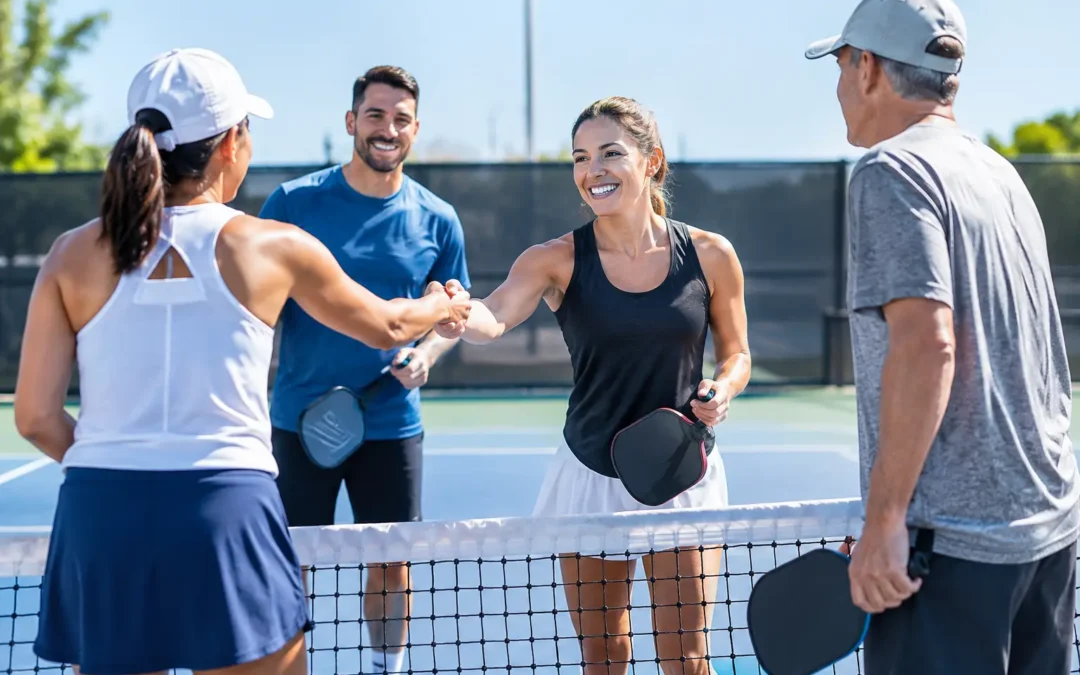
Sportsmanship should be part of the culture, not an afterthought. Set the expectation that players make fair line calls, respect opponents, and keep the day moving. The best events are competitive without becoming tense. A close match, a smart dink battle, and a good-natured handshake create the stories players share afterward.
Details Around the Court Matter More Than People Think
A clean, safe court is the baseline. From there, small operational choices have an outsized impact. Players need access to water, shade when conditions call for it, visible restrooms, first-aid supplies, and a place to put bags without blocking walkways. In the Northeast, weather planning is not optional. A rain plan should be communicated before anyone arrives.
The court environment should also fit the occasion. For a tournament, that might mean organized scoreboards, tournament desks, warm-up space, and clear spectator areas. For a social event, it could mean music at the right volume, comfortable seating, refreshments, and a photo-friendly setup that encourages guests to stay after their games.
Do not mistake extra decoration for a better event. If the basics are weak, branded signage and giveaways will not save the experience. But once the fundamentals are handled, thoughtful hospitality gives the day its personality. It tells players that their time, comfort, and participation matter.
Communication Is Part of the Event Experience
Players judge an event long before the first serve. Registration instructions, confirmation emails, parking guidance, start times, weather updates, and format explanations all shape expectations. Clear communication builds trust. Silence creates unnecessary questions and last-minute confusion.
The best organizers communicate early, then communicate at the moments that matter. Send the essential details far enough in advance for guests to plan. Provide a concise reminder shortly before the event. On event day, make announcements that are useful rather than constant. Afterward, thank participants and share results, photos, or next opportunities while the positive energy is still fresh.
This is especially valuable in seasonal communities like The Hamptons, where guests may be coming from different towns, working around weekend plans, or coordinating groups of friends and family. Respect their time with information that is direct and easy to act on.
Build Community, Not Just Attendance
A full registration list is encouraging. A community that returns is more valuable. Successful pickleball events give participants natural ways to connect beyond their assigned match. Introduce players, create partner rotations, recognize good sportsmanship, and make room for conversation between games.
This does not mean every event has to be a large party. Some players want serious competition and a quick departure after the final match. Others are there primarily for the social side. Good event planning accounts for both. Offer a focused tournament experience when that is the promise, and create intentional social moments when connection is central to the day.
Repeat participation is often the clearest measure of success. When players ask about the next clinic, sign up for another tournament, or bring a neighbor who has never played before, the event has done more than entertain. It has strengthened the local game.
A successful pickleball event leaves players feeling welcome, challenged, and well cared for. Give them a clear plan, quality instruction, fair play, and an atmosphere worth returning to. The final score will fade quickly. The feeling of being part of a well-run pickleball community will not.