
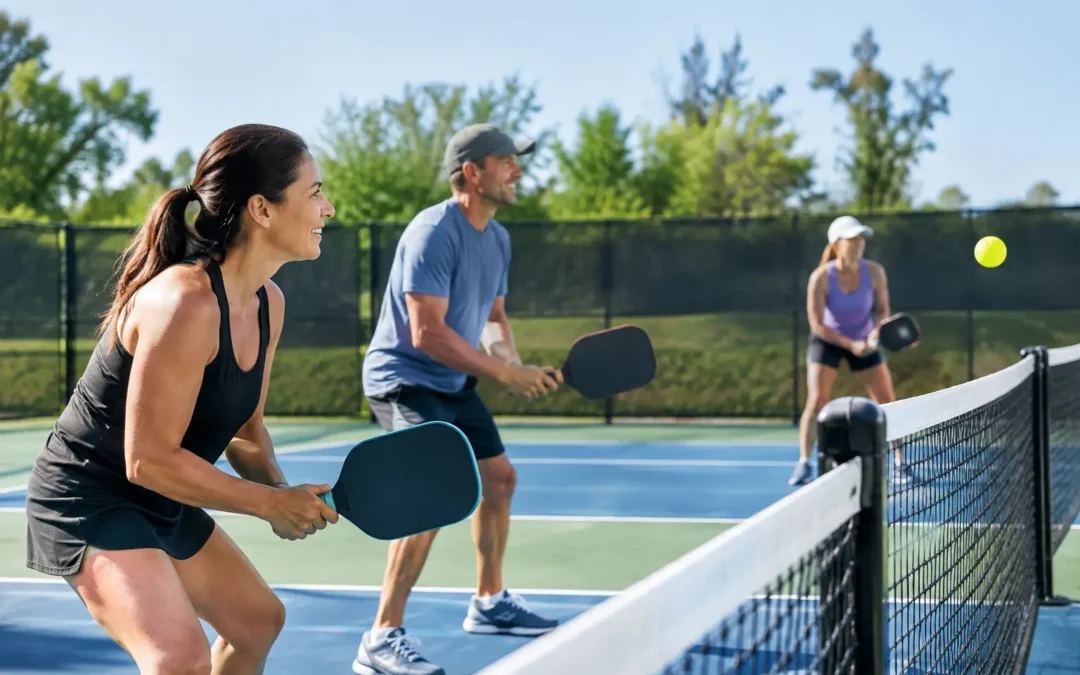
A round robin can be the fastest way to turn a group of players into a real pickleball community – or the fastest way to create court congestion, uneven matchups, and frustrated guests. Organizing pickleball round robins well means treating the format as both a competition and an experience. Players want enough games, fair pairings, a clear plan, and time to enjoy the people around them.
At Around The Post Pickleball, we have seen what brings players back: structure that feels professional without feeling stiff. Whether you are planning a club mixer, a neighborhood event, a corporate outing, or a competitive community night in the Hamptons or Eastern Long Island, the details determine whether the day feels effortless.
Start With the Right Round Robin Format
The first decision is not the schedule. It is the player mix. A round robin works because everyone gets repeated court time, but the best format depends on how many people are playing, how many courts are available, and how closely matched the group is.
For a small, similarly skilled group, a traditional round robin is simple. Each team or player faces every other team or player in the pod. This format creates a clean standings table and gives participants a true sense of competition. It is especially effective for a four- or five-team pod, where wait times stay reasonable.
As numbers rise, use multiple pods. Group players by self-rating, known ability, or prior event results, then keep each pod small enough that players are not sitting for long stretches. A beginner pod and a 3.5-plus pod should not share the same competitive expectations, even if they are part of the same social event.
For larger gatherings, a timed round robin is often the practical choice. Instead of playing every game to 11, run rounds of 12 to 15 minutes and finish the point when time expires. Timed play keeps courts moving, makes the schedule easier to manage, and protects the event from one unusually long game. The trade-off is that final scores can feel less familiar, so explain the rules before the first serve.
Build Fair Pods Before You Build the Schedule
Nothing changes an event’s mood faster than mismatched competition. A 4.0 player may appreciate a challenge, but a first-time player who never touches the ball will not. Skill-based pods are the clearest answer, and they do not have to be overly complicated.
Ask for player ratings during registration, but do not rely on ratings alone. Many recreational players are unsure where they fit, while others use a rating that reflects where they hope to be rather than where they currently compete. If you know the local player base, use that knowledge. If you do not, include a short question about tournament experience, regular playing partners, or comfort with serving, scoring, and dinking.
For mixed-level social play, balance teams rather than separating everyone into strict tiers. Pair a stronger player with a developing player when the goal is connection and fun. For a competitive event, keep partners and opponents as even as possible. The purpose must be clear: Is this a social mixer, a developmental event, or a standings-driven competition? Trying to make one court serve all three goals usually disappoints someone.
A useful standard is to give every participant a minimum number of games and avoid more than one consecutive sit-out whenever possible. Players are far more forgiving of a short break when they know exactly when they return to the court.
Create a Schedule Players Can Read at a Glance
A complicated schedule can make a well-designed event feel disorganized. Use court assignments, round numbers, and team names that are easy to scan from several feet away. “Court 2, Round 3: Team Blue vs. Team Green” is better than asking players to decode a spreadsheet full of initials.
Post the full schedule at check-in, but announce only the information players need in the moment. Before each round, call the next matchups, the court assignments, and the start time. A visible timer helps everyone, particularly at a timed event. If the next group is ready before the previous group leaves the court, transitions happen faster and the energy stays high.
Build a small buffer into the event plan. A match may run long. Someone may need a quick rules clarification. A court may need to be dried after a humid morning. If every minute is accounted for on paper, the first delay can throw off the entire day. Ten extra minutes between pool play and playoffs can save an event.
Choose scoring rules that fit the crowd
For most recreational round robins, rally scoring to 15 or traditional scoring to 11 both work. The stronger choice is the one your players understand and your staff can explain quickly. Traditional scoring feels familiar to many pickleball players, while rally scoring can keep timed rounds consistent.
Set the rules in advance: winning score, win-by-two policy, side changes, timeout allowances, and what happens if time expires. Make a decision about disputed line calls, too. In most community events, players make their own calls and give opponents the benefit of the doubt. A designated event lead should be available when a question cannot be resolved quickly.
Make Check-In Feel Like a Confident Start
The experience begins before the first ball is served. A clear check-in table, visible court map, and simple welcome message tell guests that the event is under control. Players should know where to put their bags, where to warm up, when play starts, and whom to ask for help.
Have participants arrive 20 to 30 minutes early, especially if they have not played at the venue before. That window gives organizers time to handle late arrivals, confirm pairings, and make minor changes without holding up the first round. It also gives players a chance to meet their partners and loosen up.
A quick pre-event briefing is worth the time. Cover the format, scoring, time limits, court etiquette, and how standings will be determined. Keep it direct and upbeat. The goal is not to lecture players; it is to prevent the same questions from stopping play throughout the event.
Protect the Social Side of the Event
Round robins work because they create repeat interactions. Unlike a single-elimination bracket, players keep playing even after a loss, meet more opponents, and have more chances to find their next regular game. That social value should be designed into the event, not left to chance.
Leave room for conversation between rounds. Provide a clear area off court for water, shade, and score updates. If the setting allows, include a short break halfway through play rather than running every match back-to-back. Players often remember the people they met as much as the record they posted.
Music, a welcoming emcee, and small recognition moments can raise the energy without turning a friendly event into a production. Celebrate more than the winners. Acknowledge great sportsmanship, first-time participants, or the player who brought the most enthusiasm. These touches make beginners feel that they belong and give experienced players a reason to return.
Plan for the Problems That Actually Happen
Even the best schedule needs an operational backup plan. Weather, no-shows, injuries, and late arrivals are common. Decide before the event how you will handle each situation.
If a player does not arrive, you may use a floating substitute, convert a scheduled match into a bye, or adjust the pod. A substitute is usually the best option when standings matter, but make sure that substitute understands whether their results count. For an injury, prioritize the player first, then adjust the format quickly and communicate the change clearly to affected teams.
Weather plans matter for outdoor pickleball in the Northeast. Tell registrants when you will make a call, what happens if play is delayed, and whether the event will be shortened, rescheduled, or credited. Uncertainty creates more frustration than a rain delay itself.
End With Standings, Recognition, and a Reason to Return
Keep standings visible throughout the event when competition is part of the draw. Most round robins use wins first, then head-to-head results, point differential, or total points scored as tiebreakers. State the order before play begins. Changing a tiebreaker after scores are in will undermine even an otherwise excellent event.
Finish with a quick recognition moment. Announce winners, thank participants, and highlight what is next for the group, whether that is another round robin, a skills clinic, or a more competitive tournament. Do not rush players out the door immediately after the final point. The post-play conversation is where new partnerships and stronger local pickleball communities take shape.
A great round robin does not need complicated technology or a huge tournament staff. It needs fair matchups, visible leadership, honest communication, and a pace that lets players compete without losing the fun. Get those pieces right, and your next event will feel less like a series of games and more like the kind of pickleball gathering players plan their week around.