
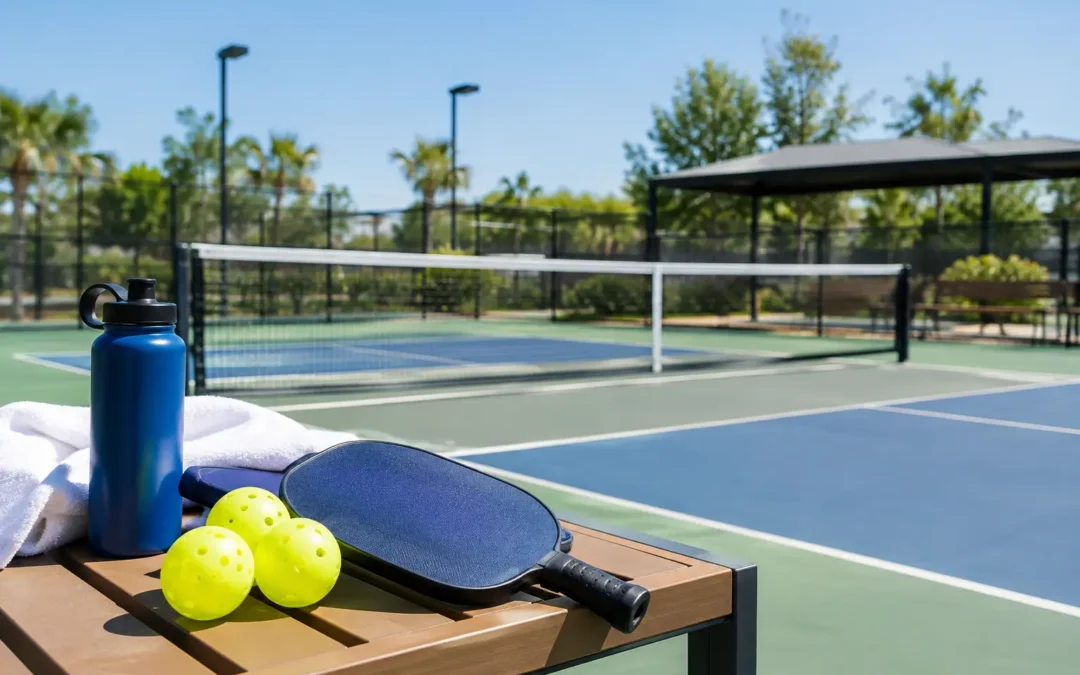
A great pickleball venue does more than provide a court and a net. The best pickleball venue amenities make players feel prepared, comfortable, connected, and eager to book another session. For facilities, clubs, private hosts, and community organizations across The Hamptons and Eastern Long Island, those details can turn a basic court into a destination for lessons, league play, tournaments, and memorable social events.
Players remember how a venue feels. They notice whether they can find parking without stress, warm up without waiting in a cramped corner, refill a water bottle after a summer clinic, or sit comfortably while friends finish a match. Those moments shape the experience just as much as the quality of the playing surface.
Start With Courts Built for Real Play
The court itself is the first amenity, and it deserves more attention than a quick paint job. A properly built pickleball court has accurate dimensions, clear lines, appropriate surface texture, quality nets, and adequate runoff space around the playing area. When courts are crowded together or surrounded by fixed obstacles, players cannot move confidently or safely.
Surface selection also matters. Acrylic sport surfaces offer reliable traction and ball response, while color choices affect visibility in bright conditions. On the East End, sun angle, wind, salt air, and seasonal temperature swings should factor into planning. A court that looks sharp on opening day but develops drainage issues or fading lines quickly will not deliver a premium experience for long.
Lighting is equally important for venues that want to extend play beyond afternoon hours. Even, glare-controlled LED lighting helps players track the ball, especially on lobs and overheads. It also gives organizers more flexibility for evening leagues, corporate outings, and private parties. The trade-off is that lighting requires thoughtful design, permitting, and consideration for nearby homes. Done well, it expands a venue’s usable hours without compromising the surrounding community.
Best Pickleball Venue Amenities Support Every Player
The strongest venues serve beginners, regular recreational players, and serious competitors without making any group feel like an afterthought. That starts with enough courts to separate programming when needed. A beginner clinic needs room for instruction and repetition. A competitive ladder or tournament needs clear court assignments, score visibility, and efficient match flow.
A dedicated warm-up area is one of the most valuable additions. It can be as simple as open space with a practice wall, marked movement area, or portable nets for dinking and serves. Players arrive at different times and skill levels, so giving them a place to loosen up keeps the main courts on schedule and reduces the risk of cold-start injuries.
Thoughtful seating also changes the atmosphere. Benches at each court are useful, but shaded spectator seating is what makes a venue feel hospitable during clinics, tournaments, and family events. Players want a place to rest between games. Friends and partners want a comfortable place to watch. Add shade structures, umbrellas, or covered gathering areas where appropriate, and the venue becomes more social without interrupting play.
Accessibility belongs in the plan from the beginning. Smooth, clear pathways; accessible parking; nearby restrooms; stable seating; and easy court entry help more people participate. Pickleball is popular partly because it brings together players of different ages and athletic backgrounds. The venue should reflect that inclusive appeal.
Comfort Amenities Keep the Day Moving
Heat, hydration, and basic convenience can determine whether a player stays for one game or enjoys a full day of programming. Reliable water stations should be close to the courts and easy to use during busy events. In a summer setting, they are not an extra. They are essential.
Clean, well-maintained restrooms are another nonnegotiable. For larger venues, changing areas can add real value for players coming from work, the beach, or another activity. Small details such as hooks for bags, mirrors, paper towel availability, and regular cleaning schedules signal that the venue is professionally operated.
Storage is less glamorous, but it is an operational advantage. Secure, organized storage for nets, balls, paddles, teaching aids, event signage, and maintenance equipment keeps the venue looking polished. It also helps staff transition quickly between a morning lesson, an afternoon open-play block, and an evening event.
For clubs and private facilities, a modest pro shop or check-in area can be useful as well. It does not need to resemble a large retail store. A well-stocked counter with loaner paddles, grips, balls, sunscreen, ice packs, and a few branded essentials solves real problems for players. Beginners especially appreciate having quality equipment available before they are ready to purchase their own.
Technology Should Make Play Easier, Not Distracting
Technology earns its place when it reduces confusion and improves the player experience. Digital court reservations, waiver management, weather notices, and program updates can save staff time while giving players clarity before they arrive. For active venues, an easy-to-read display for court assignments and tournament brackets helps eliminate the familiar question: “Where are we playing next?”
Scoreboards are especially valuable for league play and tournaments. Simple courtside flip scores work well for casual competition, while larger events may benefit from centralized displays or live result tracking. The right choice depends on event size and staffing. A six-court community venue does not need the same system as a major tournament site, but every organizer needs a clear way to keep matches moving.
Sound systems can also help when used with restraint. A microphone for welcome remarks, announcements, and awards improves organization at larger gatherings. Music can add energy to social events and corporate experiences. The key is keeping court communication possible and respecting neighbors. Pickleball is already a lively sport. The audio plan should support the event, not compete with it.
Event-Ready Spaces Create More Value
The most successful pickleball properties are built for more than open play. They have flexible areas for registration, sponsor tables, food service, awards, clinics, and post-match connection. That is how a venue supports revenue-generating programming and becomes part of the local community calendar.
A covered pavilion, patio, or clubhouse-adjacent gathering space can transform what is possible. It gives instructors a place to begin a clinic, provides tournament directors with a command center, and offers corporate groups a natural place to gather before and after play. For private parties, it is the difference between a few games on court and a complete hosted experience.
Food and beverage access is another major consideration. A full kitchen is not necessary for every site, but convenient options matter during extended events. Water, coffee, healthy snacks, and simple catered meals keep players comfortable and reduce the need for them to leave the property. For special events, food service also creates a stronger social finish after the competition ends.
Around The Post Pickleball has seen firsthand that professionally run events depend on these behind-the-scenes details. After teaching more than 3,500 players and producing successful Northeast programming, the lesson is clear: good courts attract people, but smart amenities keep the day organized, welcoming, and worth repeating.
Maintenance Is an Amenity Players Notice
A venue can install every attractive feature available and still lose player confidence if the courts are dirty, nets sag, lights fail, or restrooms are neglected. Consistent maintenance is one of the best investments an operator can make because it protects both safety and reputation.
Court cleaning, crack monitoring, net adjustments, drainage checks, and seasonal inspections should be part of a regular operating plan. Outdoor venues need quick systems for removing leaves, standing water, and debris. Indoor venues need floor care, ventilation, and ball visibility addressed. Players may not compliment maintenance every day, but they absolutely notice when it is missing.
Staff presence matters, too. A friendly check-in team, court host, instructor, or event manager provides answers, keeps sessions on time, and welcomes new players into the mix. This is particularly valuable for beginners who may feel intimidated walking into an established open-play group. A polished venue experience is as much about people as it is about physical features.
Build for the Experience You Want to Deliver
There is no single amenity package that fits every pickleball venue. A private home court may prioritize lighting, seating, and storage. A resort may need beautiful spectator areas and food service. A public facility may benefit most from durable courts, accessible pathways, water stations, and a clear reservation system. Tournament venues need all of that, plus operational space that can handle players, brackets, sponsors, and spectators without chaos.
The right approach is to begin with how people will use the space. Consider the player journey from arrival through warm-up, match play, recovery, and social time afterward. When every step feels considered, people spend less energy managing logistics and more time enjoying the sport. That is the kind of venue players recommend to friends, return to all season, and proudly call their home court.